Why virtual idols feel more satisfying than real-life idols

Why is virtual more satisfying?
1. Why are virtual idols getting so much attention?
In recent years, the popularity of virtual idols has been skyrocketing. This is because AI, VR, and motion capture technologies have combined to go beyond simple characters, allowing them to sing, dance, and communicate with fans just like real people.
Interestingly, many people say that “virtual idols are more attractive than real-life idols.” It might start as simple curiosity, but once you experience it, you find yourself agreeing with that statement.
2. Strengths and limitations of real-life idols
Real-life idols shine through glamorous stages, camera angles, lighting, and editing. Tremendous effort goes on behind the scenes to present a perfect image to fans. However, this can sometimes give off a sense of being “manufactured.”
While we admire idols, a distance can form where we think, “This is a staged scene.” So, while fans sometimes want to see a truly natural side, real-life idols always approach in a perfectly packaged state, which can leave a sense of disappointment.

3. The special satisfaction virtual idols provide
On the other hand, virtual idols are different. The biggest difference I felt when I experienced them was naturalness.
- Unadorned movement: Because virtual characters don’t have angles, editing, or a reality behind the stage, they give a stronger feeling of being “as they are.”
- Ideal type projection: You can reflect everything you want, from face, body, and bone structure to even dance style. A customized ideal type that is absolutely impossible in reality is brought to life.
- Creative fulfillment: There’s a sense of achievement in seeing a character within a world I created, rather than just consuming content. While real-life idols end with admiration, virtual idols felt more rewarding because it felt like “a stage I participated in.”
The feeling of being moved by a real-life idol’s stage and the pride felt while directly experiencing a virtual character were definitely different levels of satisfaction.
4. A real-life example: The emergence of the ‘Golden’ idol
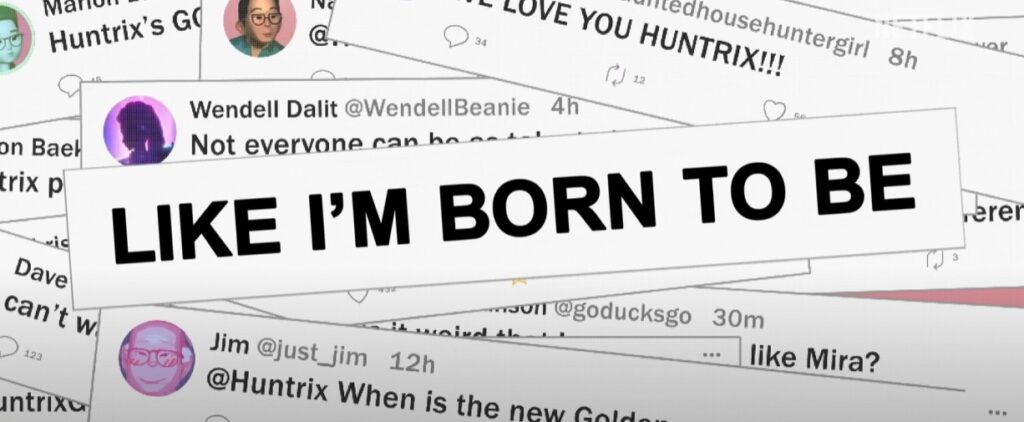
A prime example is an idol like Golden. They are moving beyond the limitations of the real-life idol industry, creating idols that exist only in the virtual world. Although they aren’t real people, they sing, communicate with fans, and show performances on stage that are just as good as real-life idols.
Fans aren’t just mere spectators; they become active participants who create together. This is one of the reasons why virtual idols provide greater satisfaction than real ones.
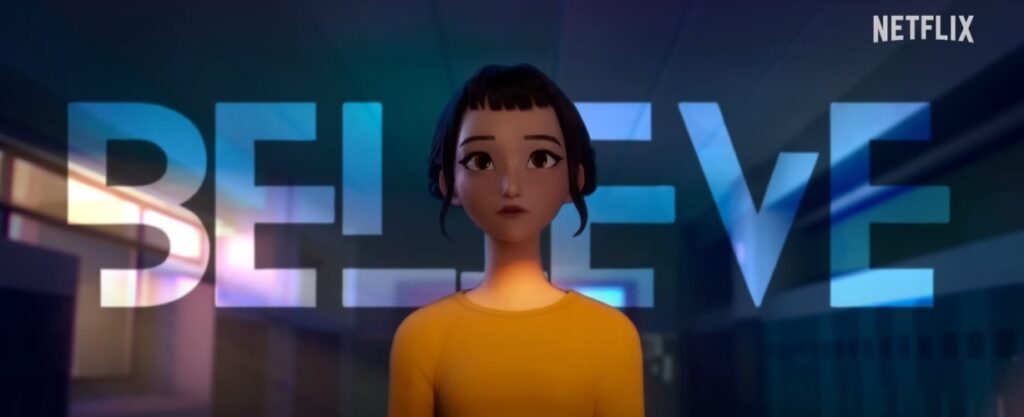
▼ How to enjoy virtual idols with grand sound
5. Explaining the difference through neuroscience
This difference can also be explained through neuroscience.
- Real-life idols: Short and strong dopamine stimulation → High excitement, but it fades quickly.
- Virtual idols: Oxytocin and endorphins are released in addition to dopamine → Leaves a sense of connection, immersion, and warm stability.
In other words, real-life idols provide momentary, manufactured stimulation, while virtual idols provide naturalness and connection that seep in deeply. That’s why the warmth and pride last long after the virtual experience ends.
6. Emotional insight: A moment I felt
To be honest, real-life idols are cool, but they feel somewhat distant. On the other hand, virtual characters are “beings that dance and laugh in a world I made,” so there was a warmth as if we were connecting closely.
Instead of just admiring a glamorous stage, I could feel a coziness as if the virtual idol was “really right next to me.” It wasn’t just stimulation; it was a happiness like a genuine connection.

7. How will the future entertainment industry change?
When AI and robotics technology combine, virtual idols might go beyond simple characters and become true AI companions.
- My own ideal idol,
- A customized partner who communicates with me,
- A perfect connection that was impossible in reality.
If such a future arrives, the question “Will virtual idols replace real ones?” could become a reality rather than just an imagination.
I’m really looking forward to having an AI friend.
8. Conclusion
Ultimately, what matters isn’t the stimulation itself.
Real-life idols provide admiration through glamorous production, while virtual idols provide warm satisfaction through naturalness and immersion.
In the future, more people will discover their own joy and achievement through virtual idols.
At that moment, I too felt like I was “connecting with my own world” rather than just watching a stage.
What does your virtual character look like? 🙂