One Small Box: A Way Out of Dopamine Addiction

Dopamine addiction—the real thing is calm and warm.
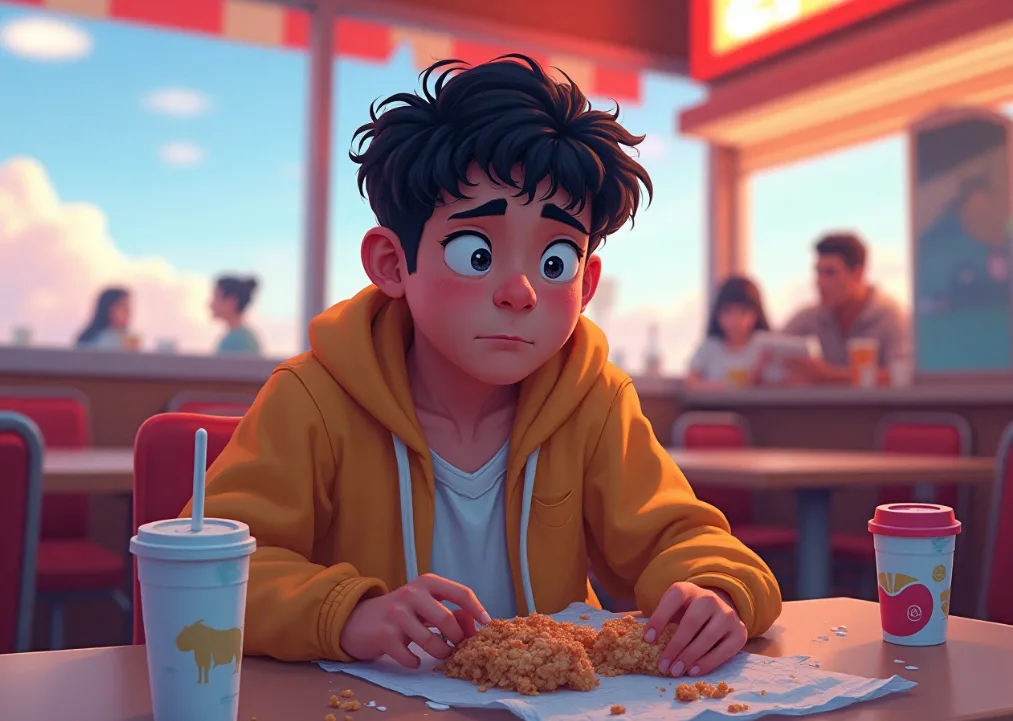
Today, I went to a comic café. Maybe the beginning of this post comes from a scene I saw there.
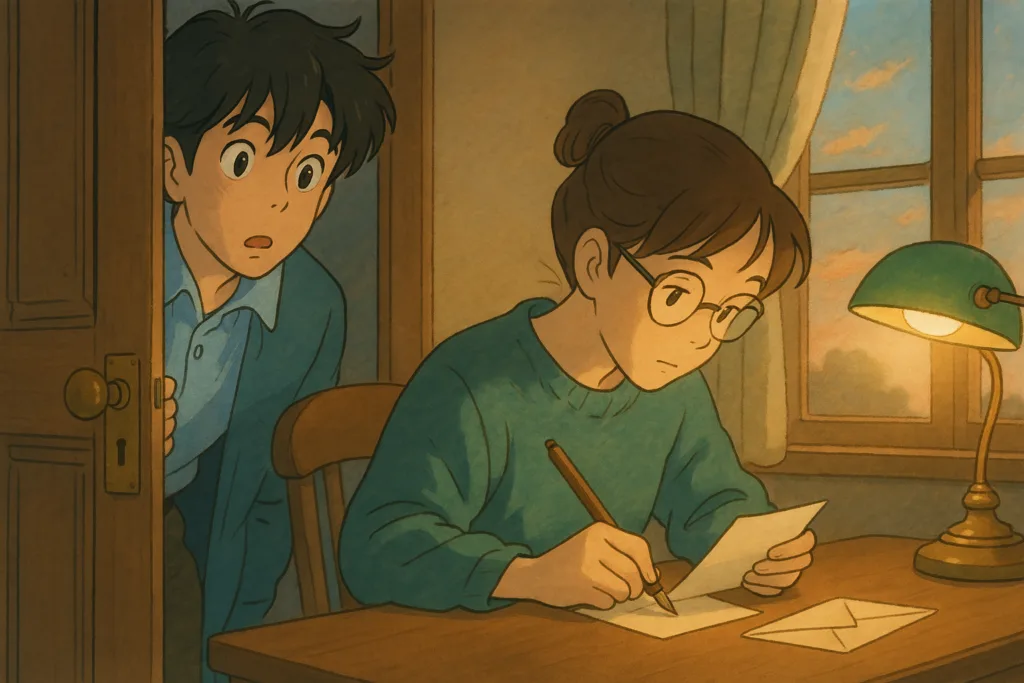
In a manga called Gantz, I saw an illustration of a nude female body, and my mood spiked in an instant. The thought, “I want to see more,” and the feeling, “I should look for something more intense” rose up. In that moment, I asked myself: Is this real sexual desire? Or is it addiction—something my brain, used to fake stimulation, has created?
I wasn’t sure. So I deliberately chose a different manga. “Jjang.” A school story, a fighting story— it was a book away from bodies and stimulation, but the scene I’d seen in Gantz kept circling in my head. Ah, this feeling isn’t real. My brain was bewitched by stimulation, and it wasn’t true desire or emotion—it was a wave caused by “fake stimulation,” in other words, addicted dopamine.
Real sexual desire is slow, calm, and warm. It blooms slowly from deep inside the heart, and it doesn’t leave you feeling empty afterward. If anything, it makes you feel good, and it comes with a desire to connect. But what I felt today wasn’t that. I noticed it clearly.
After finishing volume 1 of Jjang, I felt somewhat calmer.
Naturally, I was slipping away from the afterimage of Gantz. It felt like my brain was sorting through the stimulation.
Fake dopamine is nothing but stimulation and emptiness.
There’s a word for this state: dopamine. We often think of dopamine as the feel-good hormone, but dopamine actually has two faces. Stimulation and reward—and behind that, addiction and emptiness are hiding together.
Even if you don’t know all the complicated brain science, I hope you remember just one thing: the name dopamine—and how much “fake dopamine stimulation” can throw off our emotions and happiness.
The effect is dramatic, but it’s slow—gradually, steadily. The process can feel sluggish, but it’s real.
Dopamine is a hormone tied to our survival instincts. Healthy dopamine can be described in English as something like a “neuro-regulated reward signal,” while addictive dopamine can be called a short-term reward loop.
Dopamine is like filling a treasure warehouse in your brain.
Stacking healthy dopamine boxes, one by one.

Healthy dopamine comes in small boxes. Each one doesn’t stand out when you put it in, but over time, every corner of the warehouse becomes solidly filled. Inside are things like a warm conversation with a friend, morning sunlight, quiet meditation, and the refreshed feeling after exercise.
Fake dopamine, on the other hand, is a big box—one that keeps getting bigger. At first, it seems like this box fills the warehouse quickly, but there’s no substance to it. It’s so big that it pushes out the small items and leaves gaps behind. And next time, you can’t be satisfied unless the box is even bigger. The brain doesn’t respond to the same size anymore.
A warehouse can’t be filled with just a few huge boxes. In the end, those boxes damage the structure of the warehouse and make you ignore the small joys.
So we need to keep the boxes small and fill them up, one by one. Before you know it, one corner is full, and the fullness that comes from small things lasts longer than big stimulation. Only then do we understand how to handle dopamine.
| Category | Fake stimulation (addictive dopamine) | Healthy stimulation (restorative dopamine) |
|---|---|---|
| Characteristics | Intense stimulation, rapid pleasure | Gentle satisfaction, slowly rising |
| Lasting power | Short-lived, fades quickly | Lasts long, calm and steady |
| Result | Emptiness, lethargy | Peace, immersion, emotional stability |
| Examples | Porn, excessive social media, binge eating | Meditation, exercise, writing, time in nature |
Dopamine addiction: one box for overcoming it
I won’t explain at length anymore. There are no scientific papers or mechanisms here. Because real change is something you only understand by feeling and experiencing it yourself. When you’re stuck in familiar fake stimulation, you end up ignoring even the best information.
This is just one small box. I hope you’ll place it quietly somewhere in the warehouse that is your brain. And someday, when you suddenly take that box out, I hope you’ll remember, “Ah, so that’s what that story was about”.
And lastly, just one more thing. I hope this post becomes a small warning sign you can stick onto your warehouse. A sentence that doesn’t shout, but speaks quietly. “Fake dopamine ultimately makes you lose more.”
“These small but important daily rhythms
will probably end up helping you overcome dopamine addiction symptoms.”
I simply hope that I—and everyone reading this—can be happy. That’s all.