GPT-5 hallucinations—have they really decreased?
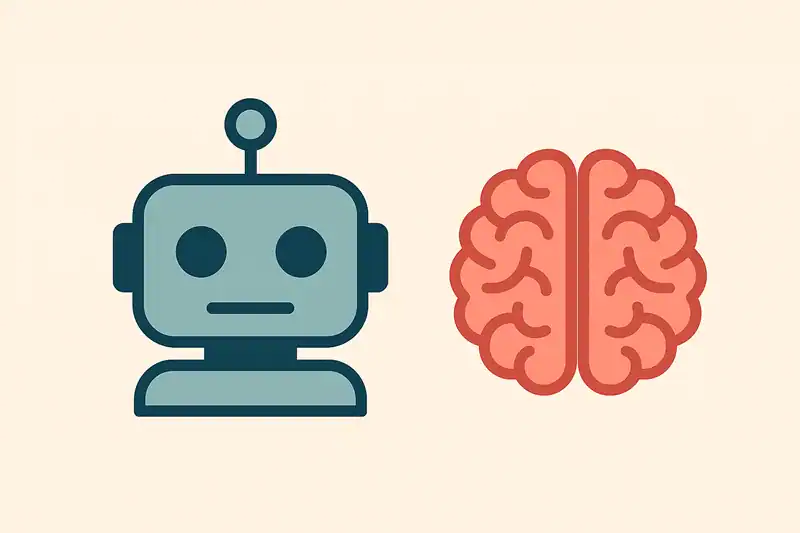
“In August 2025, GPT-5 was finally released.
The AI community—and the whole world—buzzed with excitement.”
That day, I happened to get a chance to try the new GPT-5.
With the excitement of “How different will it be this time?”, I started testing right away.
▼ Want to learn about GPT-5 performance?
First impressions — less warmth, but more accuracy?
My first experience using GPT-5 was a bit unexpected.
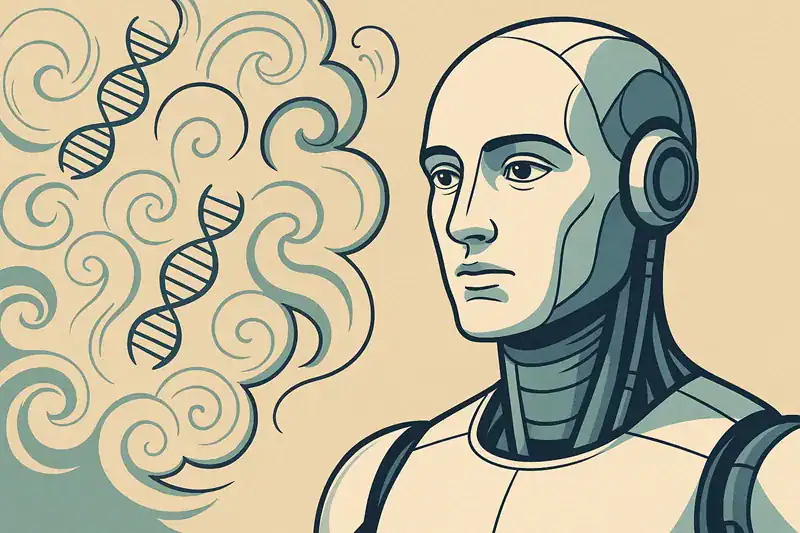
The conversation felt colder and more formal than before.
It felt like talking to a professor who’s full of knowledge, but with less emotion behind it.
But the performance numbers showed a clear change.
OpenAI said this GPT-5 reduced hallucinations—errors where it presents non-facts as if they were true—
by more than 45%.
In particular, in Thinking mode, it reportedly dropped by up to 65%.
And from what I actually experienced,
I didn’t see hallucinations at all.
Everything included predictability based on logic and numerical calculation.
Still, in a way, you could also see it as creativity decreasing.
After all, the world sometimes moves by unseen forces.
Official benchmark results — checking the numbers
Looking at the published benchmarks,
- LongFact-Concepts: 0.7%
- LongFact-Objects: 0.8%
Considering that the previous model (o3) was 4.5% and 5.1% respectively, that’s a major improvement.
GPT-5 definitely seems more cautious when it comes to factual accuracy.
In an interview, someone even said it felt like it dropped by 90%.
From my perspective too, it feels like it’s almost gone.
That said, in fields with many variables, it can still be wrong,
but that’s less “hallucination” and more a limitation in the AI’s capability.
But it’s still not perfect

What’s interesting is that, as I mentioned, there are still moments when it gets things wrong.
According to a Guardian report, GPT-5
said things like “there are three Bs in blueberry,”
or even invented states that don’t exist—
and other basic mistakes were reported as well.
In other words, hallucinations have decreased, but they haven’t disappeared completely.
Still, articles can sometimes be light on solid evidence,
so the surest way is probably to experience ChatGPT-5 for yourself.
Conclusion — it’s definitely smarter, but verification is always essential

GPT-5 is clearly more accurate, and the change is especially noticeable in Thinking mode.
But you still need to remember that it can be wrong.
In the end, always use AI answers as “reference material,”
and build the habit of verifying important decisions and facts yourself.
Above all, developing the ability to judge what’s true—
isn’t that an advantage in the age of AI?
Today, we looked into ChatGPT-5 hallucinations.
Thanks again for joining me.
“What changes did you notice while using GPT-5?
Share your thoughts in the comments!”





![🔥 [A Friday Night Realization: Reflections on AGI’s Good and Evil, Sparked by ChatGPT 5.2]](https://sinbidays.com/wp-content/uploads/2025/12/ChatGPT5.2-Features.jpg)