
The Effects of Different Nap Lengths: The Secret to Fatigue Recovery I Felt Firsthand
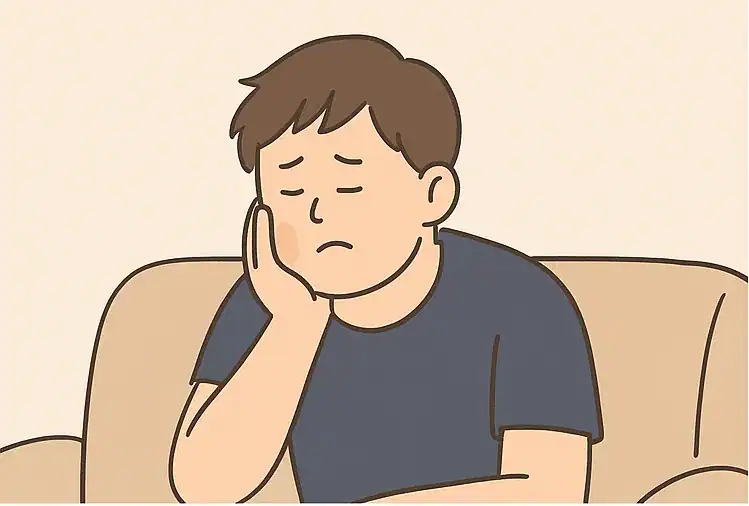
Lately, I’d been strangely tired all the time.
Not because I was being lazy, but recently my face kept getting puffy, and my jaw felt tense over and over.
Even when it felt like I slept deeply at night, my face felt heavy in the morning, and I started worrying, What if I’ve been grinding my teeth in my sleep?
I even got anxious that my face might be looking wider in the mirror.
All this time, I’d been thinking the cause of this fatigue was simply stress.
Even though I keep up with exercise, reading, and meditation, I assumed the fatigue was just because I had more on my mind than that.
The Truth Napping Revealed 🌙
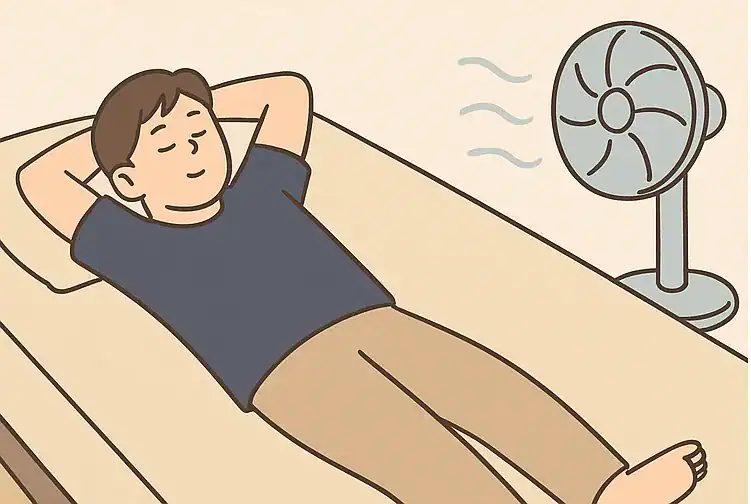
But today, by chance, I ended up taking a nap with the living-room AC on.
Normally I’d sleep with only a fan on and still feel hot, but this time was different.
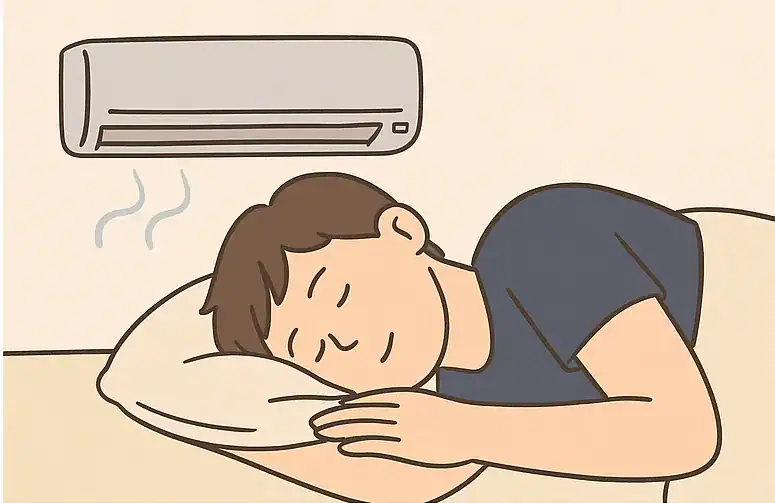
I set the AC to 27–28°C (the ideal summer AC temperature), and lay down in the side room where the air wouldn’t blow on me directly.
Then I fell into a deep sleep.
During the nap, I had an incredibly vivid dream. From deep in my unconscious, energy I’d been suppressing for a long time flowed out naturally.
It had already been five weeks since I started abstaining, and my desires had quieted down—but thanks to the comfortable environment, my unconscious switched into recovery mode.
When I woke up, the heaviness in my face was gone, and the tension in my jaw had eased a lot.
I felt much better, too. That’s when I realized it.
It wasn’t anything else—I simply had the wrong sleep environment.
▼ How should you run the AC?
Effects of Different Nap Lengths (Summary)
A lot of people think napping is “lazy,” but there are actually many sleep experts who recommend it.
And the effects of a nap change depending on how long you sleep…
- 20 minutes (power nap) → Your brain recovers and your focus improves. Great for a quick nap before studying or working.
- 1 hour → You enter deeper sleep, but when you wake up your head may feel heavy, and you might sometimes get a headache.
- 90 minutes–2 hours → You reach REM sleep and start dreaming, and your unconscious gets organized and your emotions recover. But depending on your schedule, it can feel like a big commitment.
What I experienced today was exactly this 2-hour nap. It released the fatigue that had built up, and it felt like coming home.
Naps, Environment, and the Ideal Summer AC Temperature
A nap isn’t just about filling time—you need the right environment for it to truly work.
That’s especially true in summer.
- Keep the temperature at 27–28°C → The ideal summer AC temperature. It’s not so cold that you have to worry about getting chilled, and it uses about as much power as running several fans.
- Avoid direct airflow → Instead of sleeping in the room with the AC, sleep in the next room with the door open. Only the cool air comes in, and it feels much more comfortable.
- Humidity and comfort → When you’re not sweating and feel dry and fresh, your unconscious can recover more comfortably.
Through this today, I became sure that the cause of my fatigue wasn’t something else—it was clearly an environmental issue.
Closing 🌿
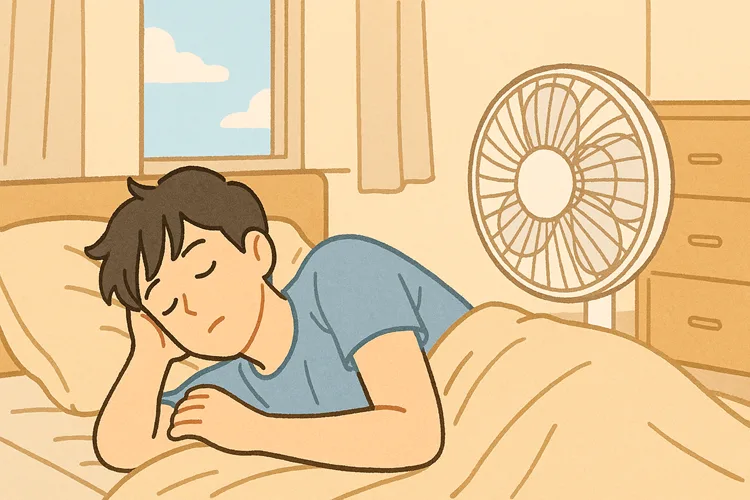
Napping isn’t laziness.
It’s a recovery skill, and a way of respecting the signals your body sends.
Today, through a nap, I deeply felt how connected my fatigue is to my environment.
If you’ve been feeling tired for no clear reason lately—if your face feels puffy and your jaw feels tense…
When you’re exhausted, try taking a 2–3 hour nap in a comfortable environment.
In that space, you may experience yourself coming back to life, just like I did.




![🛡️ [Essential Growth] V-FORCE Premium Weighted Vest Unboxing: A 1+1 Miracle from the Universe?](https://d8928058.delivery.rocketcdn.me/wp-content/uploads/2026/05/V-Force-Carrier-3-768x1024.jpg)