
AI, Copyright, and the Heart of Creation Learned from Ghibli
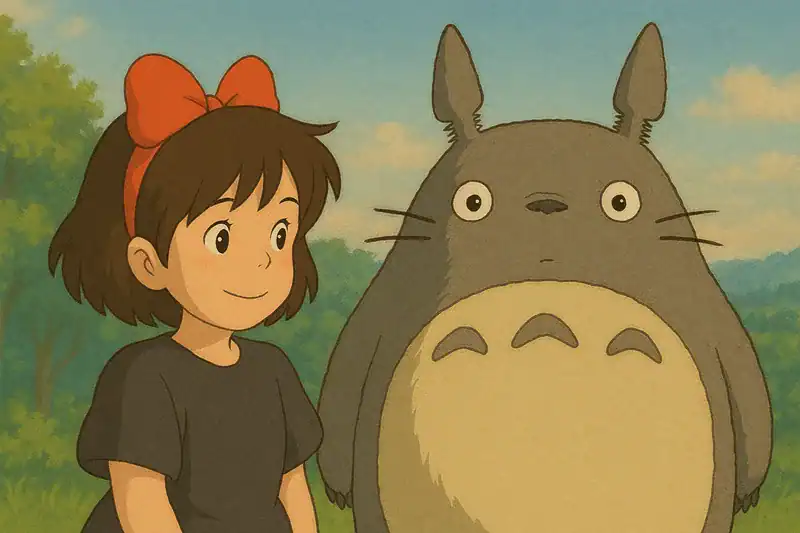
We have entered an era where artificial intelligence draws pictures, writes text, and composes music. With just a few clicks, we can obtain beautiful images, create cinematic videos, and even complete an entire book. However, behind this convenience, a question always follows. “Whose creation is this? And who holds the copyright?”
AI and Copyright: Where Do We Stand Now?
Rules regarding AI copyright are currently being established all over the world. However, there is no completely settled answer yet.
- In the United States, a ruling was made stating that “AI outputs without human creativity are not eligible for copyright protection.” In other words, if there is no part directly created by a human hand, it cannot be legally protected.
- The European Union is showing a slightly more flexible attitude. Some interpretations view how a person inputs prompts and coordinates the results through a specific process as elements of creation.
- South Korea is also still in the middle of discussions. While the Ministry of Culture, Sports and Tourism and the Copyright Commission have held several debates, clear guidelines have not yet been presented.
In short, AI copyright today is “a work in progress.” Today’s answer might change tomorrow, and completely different results may emerge depending on the country.
The Essence of Copyright Seen Through Ghibli
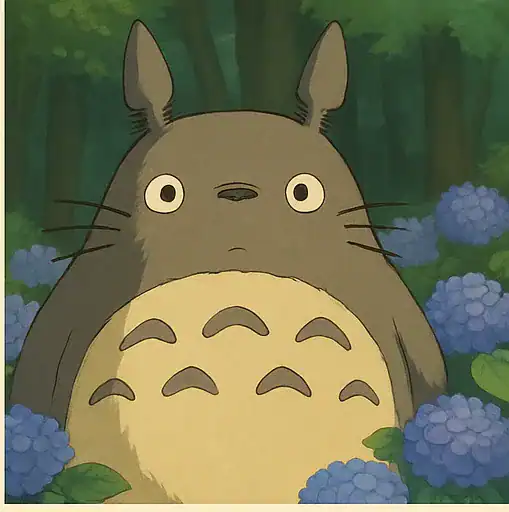
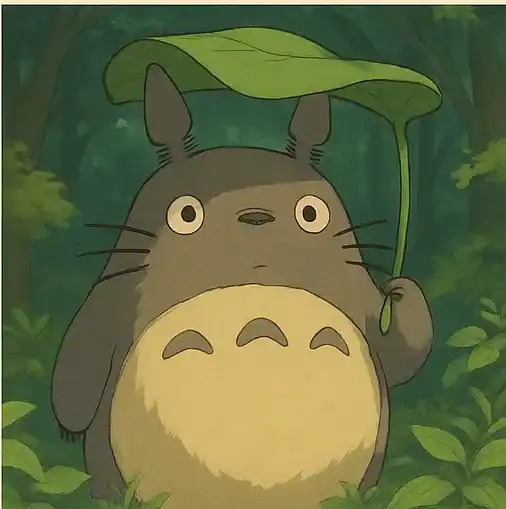
Shall we take the story in a slightly different direction? Think of the works of Studio Ghibli. “Spirited Away,” “Howl’s Moving Castle,” “My Neighbor Totoro”… When we watch these films, we aren’t moved simply because the drawings are pretty. The breath of the characters, the philosophy embedded in the backgrounds, and the atmosphere created by the music all come together to complete ‘a single world.’
In fact, Studio Ghibli’s copyrights are managed very strictly. This is not just a matter of rights over “a single drawing,” but a fence to protect the creator’s heart and philosophy. Replicating Ghibli’s worldview without permission goes beyond simply taking an image; it can be an act of damaging the spirit imbued by the creator.
However, an interesting point is that a Ghibli artist once reacted with “gratitude” after seeing Ghibli-style profile pictures created using AI in Korea. Seeing many people changing their photos to Ghibli styles and posting them on social media, the artist said, “I’m actually thankful because I can feel how much they love Ghibli.” Even for a studio that manages copyright thoroughly, the creator saw ‘affection’ before ‘infringement.’
This part is quite impressive. Copyright is not just a legal protective device; it gains true meaning when the creator’s heart and respect for it come together. The attitude shown by the Ghibli artist teaches us that copyright is a ‘right to be protected’ but can also be a ‘joy to be shared.’
Don’t we need a similar sense when looking at AI copyright issues? Beyond whether it can be protected by law, the core question becomes: “To whom does the heart within this creation belong?”
▼ Create your own emotional Ghibli profile 😀
AI and Humans: The Path of Creating Together
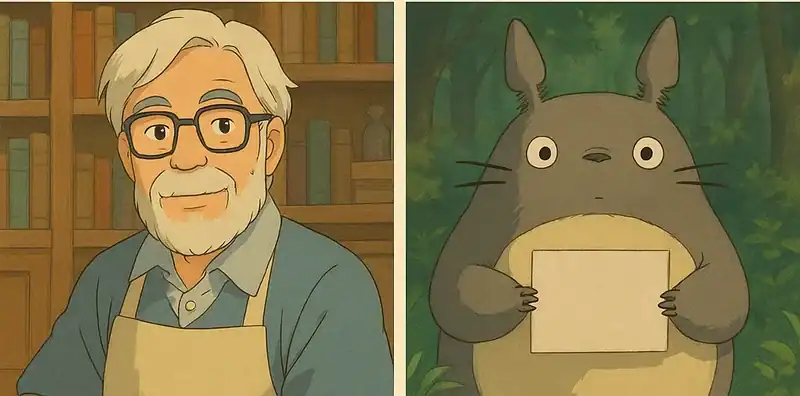
It is amazing to see drawings created by AI. Beautiful landscapes unfold in seconds, and details come to life as if painted by a famous artist. But one thing is missing: ‘the heart behind why I want to draw this picture.’
Director Hayao Miyazaki of Studio Ghibli once said in an interview, “I want to tell children that the world is beautiful.” His work was not completed through simple technology but started from a heart for people. AI cannot have this heart yet. Instead, we can use AI as a tool to express our hearts even more grandly.
If so, the future of copyright may not just be a matter of ‘protecting rights’ but a process of proving “whose heart is contained within.” If a person intervenes to set the direction, breathe in a message, and complete the story, the result will ultimately remain a human creation.
A Conclusion Reached Through Emotion
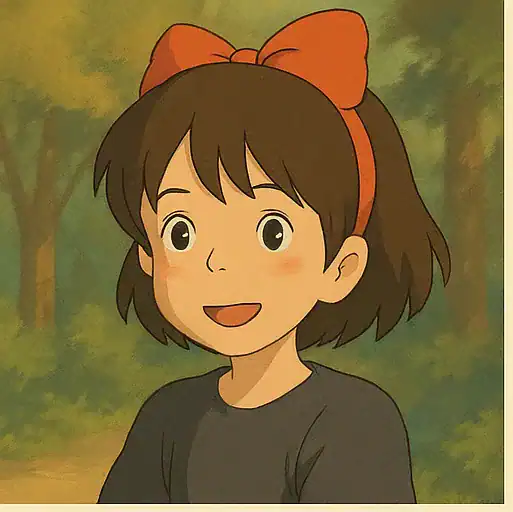
AI is changing the world rapidly. However, the essential concerns surrounding copyright have not changed. Creation is ultimately the act of leaving traces of the heart.
Just as a single Ghibli drawing is not a simple image but a world where the creator’s life and philosophy are melted in, works made with AI only gain meaning when we breathe our own philosophy into them.
So, I want to believe this: “In the era of creation with AI, copyright will not be just a legal device, but another way to protect the heart.”
Closing thoughts
Writing text, creating images, and producing videos with AI has become part of daily life. But ultimately, what matters is “why I made this.” Copyright is a system and a fence to protect that heart. This is exactly why Ghibli’s works still move us today.
I hope we don’t forget the one truth that will not change even in the AI era: creation ultimately begins from the heart.

![🛡️ [Essential Growth] V-FORCE Premium Weighted Vest Unboxing: A 1+1 Miracle from the Universe?](https://d8928058.delivery.rocketcdn.me/wp-content/uploads/2026/05/V-Force-Carrier-3-768x1024.jpg)