How to Get Healthy, Personalized Game Recommendations from AI
How to Get Healthy, Personalized Game Recommendations from AI

Routines are maintained, and the mind recovers!
💡 If you’re on a dopamine detox, be sure to read this.
Is gaming just a simple pastime?
It might feel like an activity you do just to pass the time when you have nothing else to do.
However, games actually play a much deeper role in our brains, emotions, and daily routines than we think.
Especially immersive and fast-paced games like combat RPGs or action games
strongly stimulate the central nervous system with their flashy graphics and impactful gameplay.
In this process, the brain rapidly secretes dopamine, a reward chemical,
which leads to intense temporary pleasure, but can also result in subsequent lethargy or routine disruption.
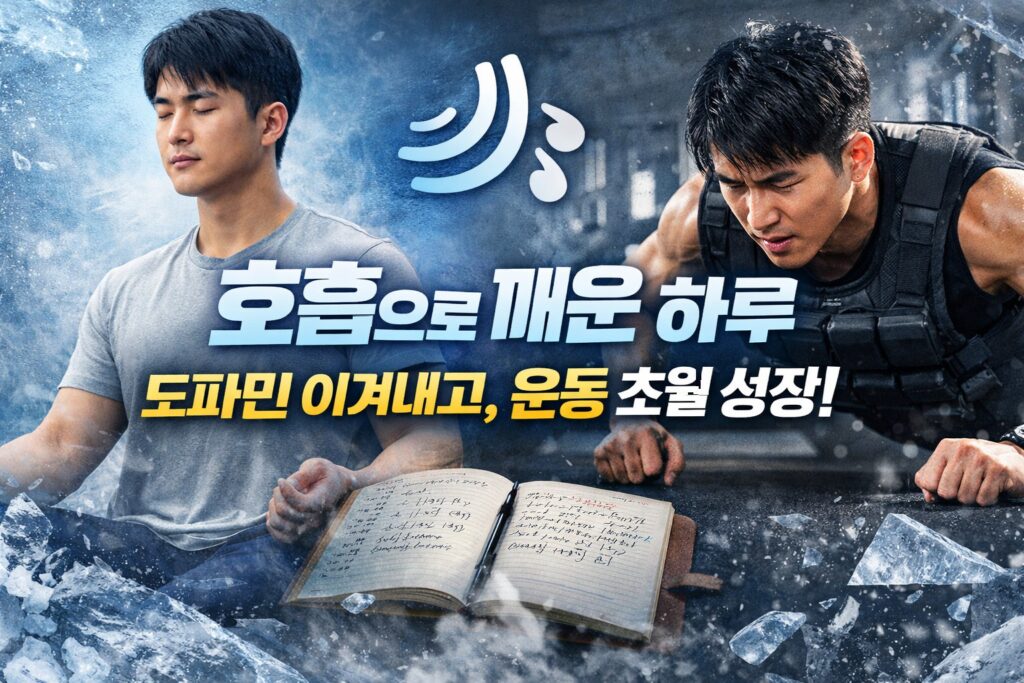
For those who consistently practice routines such as exercise, reading, abstinence, or meditation,
it’s natural to be more sensitive to such stimulation.
I, too, have been seriously contemplating how to respond to such stimuli
while combining various routines like abstinence, media abstinence, media detox, affirmations, and meditation.
What are low-dopamine games?

Amidst these concerns, what has recently gained attention are low-dopamine games.
These are, as the name suggests, not games that cause an explosive release of dopamine,
but rather games that gently stimulate emotions and allow for slow immersion.
For example, these are games designed to focus on comfort rather than challenge,
by appreciating natural scenery,
following emotional stories,
or within an emotional atmosphere flowing with music.
Since these games lack clear wins/losses or strong competitive elements,
they are relatively free from the emptiness or addictiveness that can follow a game.
Furthermore, because the dopamine intensity is low and emotional satisfaction is high,
they can be a highly ideal choice as ‘play that doesn’t break your routine’
for those who wish to maintain abstinence or routines.
Why Get Game Recommendations from AI

However, simply searching for ’emotional games’ and picking any game
doesn’t guarantee you’ll find the perfect match for you.
This is where AI’s personalized recommendations become important.
I actually asked this question:
“ITIP, I’m practicing abstinence. Are there any games that don’t overstimulate the central nervous system and help stabilize emotions?”
When you describe your current state, goals, and routines like this,
AI recommends recovery-oriented games tailored to your psychological state, not just popular titles.
Examples of AI-Recommended Games


- Kind Words
This game involves exchanging worries and warm letters anonymously,
accompanied by gentle lo-fi music.
It’s actually designed with a structure very similar to ‘affirmations,’
making it especially good for those practicing affirmation routines. - Spiritfarer
A journey by boat, carrying spirits.
Though it deals with death, it has a very warm and poignant emotional depth.
It helps cleanse emotions and offers a profound experience that makes you reflect on life. - A Short Hike
A short journey, cute bird characters,
and the sense of psychological rest provided by small encounters and gentle conversations are impressive. - Eastshade
An open-world game where you play as a painter, drawing nature and appreciating landscapes.
The emotional immersion from ‘art appreciation’ itself is very powerful.
It’s ideal as a recovery game after a routine.
Try asking AI like this

Example Prompts
“I’m on a dopamine detox; recommend some emotional and recovery-focused games.”
“Are there any games that relax my mind without disrupting my routine?”
“Recommend games that leave a lasting impression without intense immersion.”
This type of questioning, rather than simply asking about genres,
leads to ‘game design that considers me as a person.’
AI makes selections based on data,
but when that selection connects with who I am now,
the game becomes not just entertainment, but a tool for mental recovery.
Closing thoughts
Gaming can be a stimulus that breaks you down,
but it can also be a stimulus that helps you recover.
What’s important is my attitude to recognize and choose it.
And AI can be a helper that guides that choice more intelligently and gently.
“If you want to maintain your routine right now, try getting low-dopamine game recommendations from AI. It might offer more comfort than you expect.”